Blog
What affects the cost of heat pump installation? Key factors for Motherwell homeowners
What affects the heat pump installation cost for Motherwell homeowners
If you live in Motherwell or the central belt and are weighing up a heat pump, the single most useful thing is to separate myths from technical realities. “How much will it cost?” is the right question — but it’s driven by a set of predictable factors every competent installer will assess.
This guide explains the variables that determine heat pump installation cost and gives practical steps you can take before the survey.
1. Property heat loss and survey requirements
The heat loss of your home is the primary technical driver. A large, poorly insulated Victorian semi will need a different system to a modern, well-insulated new build flat. A heat loss (or heat demand) calculation tells an installer what output the heat pump must deliver, and therefore the unit size and the system design.
Action: request or book a full heat loss survey (not a rough quote). Bring your EPC, floor plans and details of recent insulation upgrades.
2. Type of heat pump: air source vs ground source
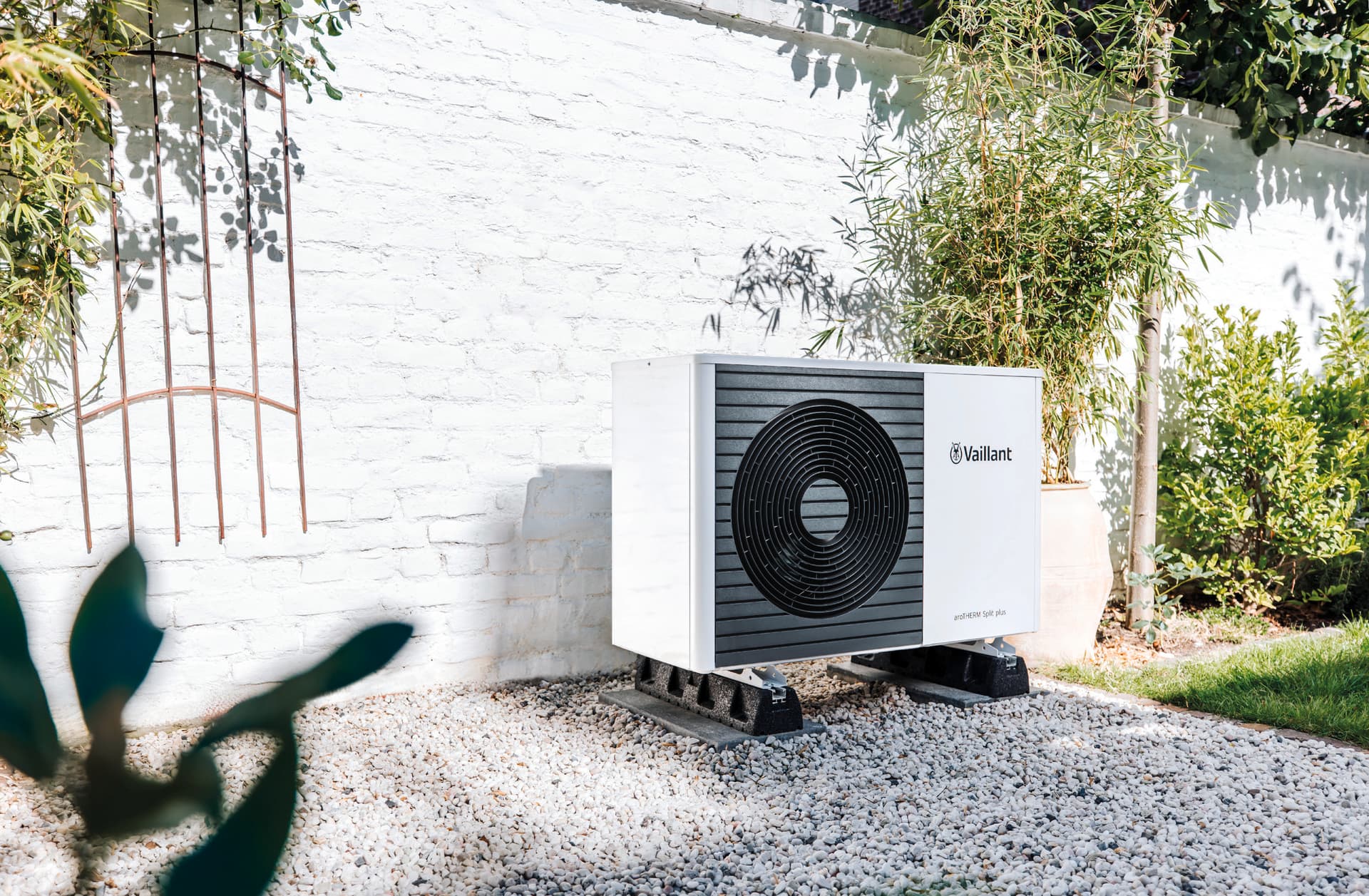
Air source (ASHP) and ground source (GSHP) have different site needs. ASHPs sit outside and are simpler to install; GSHPs need ground loops or boreholes and associated excavation — that changes complexity, timescale and required groundwork.
For most Motherwell homes the default starting point is an air source heat pump unless you have large land availability for ground loops.
3. Existing heating system compatibility
Whether you keep radiators, install larger radiators, or fit underfloor heating affects the system design. Heat pumps run most efficiently at lower flow temperatures, so oversized radiators or UFH often give better performance and reduce running costs — but they add installation work.
Action: ask your installer to list radiator upgrades or cylinder changes separately so you can see what’s essential vs recommended.
4. Hot water demand and cylinder size
Homes with high hot-water demand — large families, frequent baths, hot tubs — need appropriately sized cylinders or buffer tanks and possibly faster recovery rates. That impacts the heat pump sizing and the installation scope.
5. Electrical supply and controls
Many heat pumps need a three-phase supply or an upgraded consumer unit to handle current draw, plus smart controls and a dedicated isolation switch. If an upgrade is required, that’s an additional electrical job.
If you’re combining solar PV with a heat pump, designers can optimise how much electricity is self-consumed, but that adds design complexity.
Action: get a qualified electrician to confirm your supply before committing.
6. Site access, location and external works
How easy it is for installers to get equipment to the location matters. Tight lanes, shared closes, narrow tenement stair access and lack of parking in parts of Motherwell and nearby suburbs can add labour time. Groundworks for a GSHP or concrete bases for external ASHP units also increase scope.
Noise and siting constraints (near neighbours or conservation areas) may require alternative placements or acoustic measures.
7. Permits, planning and local authority factors
Most domestic ASHP installations don't require planning permission, but exceptions exist — conservation areas, listed buildings or large external units may need consent or consultation with the local authority. Sorting these permissions is part of the project timeline and can affect costs.
8. Installer competency, warranties and certification
Choose an MCS-certified installer who can also demonstrate Gas Safe registration and SELECT/RECC membership where relevant. Certified installers provide correct building controls, commissioning, and aftercare — which protects long-term performance and warranty eligibility.
Prostar Installations Ltd holds MCS, Gas Safe, SELECT, RECC, IEA and CHAS accreditations and works across the central belt from our Motherwell office.
9. Ancillary works and unforeseen issues
Older systems can reveal hidden problems: corroded pipework, limited loft or plant-room space, or inadequate condensate drainage. These surprises add to the installation scope and must be allowed for in any robust quote.
Practical steps to reduce surprises (and keep costs manageable)
- Book a full heat loss survey rather than relying on a generic quote.
- Improve insulation (loft, cavity, draught-proofing) before installing the heat pump — lower heat demand reduces required output.
- Clear access routes and a space for the outdoor unit before the install day.
- Gather existing heating documentation (EPC, boiler manuals, house plans) for the surveyor.
- Ask for a line-itemed quote: equipment, labour, electrical works, groundworks, controls and commissioning.
- Confirm warranties and who will register MCS/RECC paperwork.
Next steps for Motherwell households
If you want a reliable, certification-led appraisal, Prostar Installations Ltd carries out heat loss surveys and full system designs across Motherwell, Glasgow and Edinburgh. We also advise on grant-funded schemes available across Scotland and manage applications as part of our service.
Book a site survey or speak to a specialist on 0333 006 7743 or email info@prostarinstallations.com. Our team will provide a clear, itemised proposal and explain the factors that affect your heat pump installation cost in Motherwell.
Other Articles