Blog
How to Assess Commercial Solar PV ROI for Your Business
How to assess commercial solar PV ROI for your business
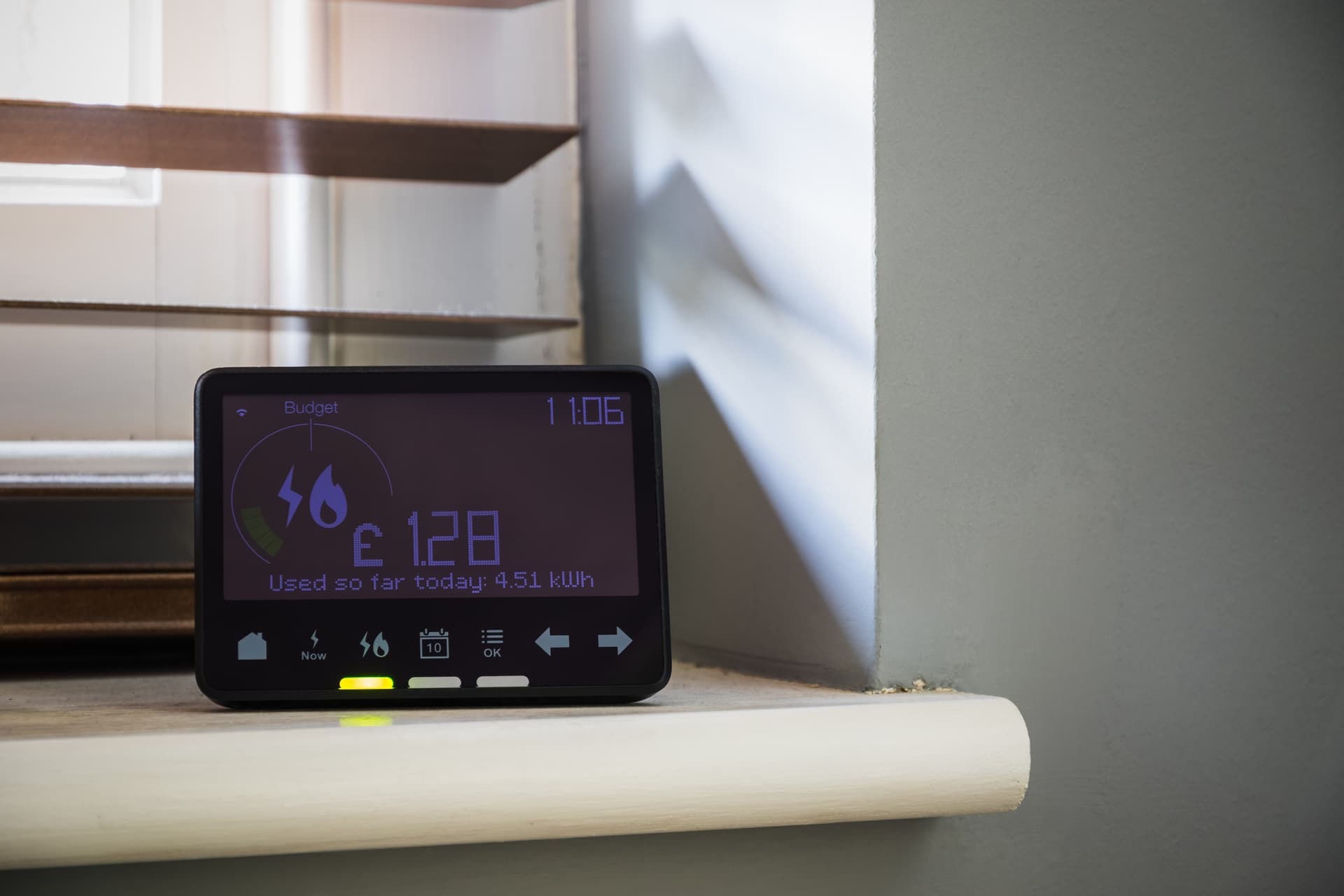
An annual electricity bill can show how much energy a business uses, but it cannot tell you how well a rooftop solar system will match that use. Two businesses with similar annual consumption may get quite different value from the same solar system if one uses most of its electricity during the day and the other draws most of it outside its operating hours.
That difference is central to deciding whether a proposed system is sized sensibly. The useful question is not simply how much electricity the roof can generate. It is how much of that generation your business can use, and what happens to any surplus.
Start with the shape of your electricity use
Ask for the analysis to use electricity readings taken every 30 minutes, rather than relying only on annual totals. This reveals when demand rises and falls during your actual working pattern. A business with steady daytime loads may be able to use a larger share of its solar generation directly. An office that is mostly quiet outside working hours may have a different profile, even if its annual use is high.
Look for the recurring loads behind the profile. Lighting, ventilation, refrigeration, machinery and equipment can all affect how much power is used at different times. The important point is not to guess from the type of business. It is to check what the meter data shows and ask whether the periods of higher demand line up with expected solar output.
Also consider whether your operating pattern is likely to change. New equipment, extended opening hours, a planned expansion or a move to a different site could alter future consumption. A forecast based solely on past data may not reflect the business you are investing for. Treat expected changes as assumptions to discuss, rather than as certain savings.
Compare a smaller system with a larger one
A smaller solar system may cover a greater proportion of its generation with electricity the business uses on site. A larger solar system may produce more overall, but a greater share could be sent to the grid when generation exceeds demand. Whether that extra generation improves the financial case depends on the value of electricity sent to the grid compared with the value of electricity avoided from the grid.
Ask to see these outcomes separately. The forecast should make clear how much generation is expected to be used on site, how much may be sent to the grid, and what assumptions are being made about each. If a proposal gives one headline savings figure without showing the split, it is difficult to understand what is driving the result.
This is where the right system size depends on your priorities as well as your roof. If maximising on-site use matters most, a design may favour closer alignment with your daytime demand. If the business has suitable arrangements for sending surplus electricity to the grid, exporting surplus may still contribute to the return. Neither option is automatically best. The comparison should use your consumption pattern and the terms available to your business.
Check what the forecast includes
A return calculation is only as useful as its inputs. Review the assumptions behind expected generation, on-site use, electricity sent to the grid, electricity prices and project costs. Ask which figures come from measured data and which are estimates. If one assumption changes, ask how sensitive the forecast is to it.
A simple payback calculation can help compare options, but it is not the whole investment case. It does not automatically show how sensitive the outcome is to changing electricity use, terms for sending surplus electricity to the grid or other assumptions. Consider the full projection alongside the payback period, and ask for different scenarios where the future is uncertain.
Check that the proposed panel layout reflects the roof area that can actually be used, not just its overall dimensions. Obstructions, shading, roof orientation and electrical design can affect expected generation. The design should explain how these constraints have been accounted for, so the forecast is tied to your building rather than a generic output estimate.
For businesses in Motherwell and across Glasgow and Edinburgh, these checks help make a commercial solar PV proposal easier to evaluate on its merits. Our Commercial Solar PV service page gives the overview. Here at Prostar Installations Ltd, we can discuss the details of a proposal with you so you can understand which assumptions shape the projected return before deciding what suits your business.
Other Articles