Blog
Will a Heat Pump Work in an Older Scottish Home?
Will a heat pump work in an older Scottish home?
Older Scottish properties are not all built or used in the same way. A stone cottage in Motherwell, a traditional tenement flat in Glasgow and a Victorian townhouse in Edinburgh may all need a different approach to heat pump installation.
The important question is not simply whether the building is old. It is whether the property can retain heat effectively, distribute warmth through its existing system and accommodate the equipment without compromising comfort or practicality.
Our Heat Pump Installation service starts with those property-specific questions rather than treating every home as a standard replacement job.
How the building holds heat sets the starting point
An air source heat pump works most effectively when the home needs a steady, manageable supply of heat. If warmth escapes rapidly through uninsulated walls, poorly performing windows, gaps around openings or an exposed roof, the system has to work harder to maintain the indoor temperature.
That does not automatically rule out a heat pump. It does mean the building fabric needs to be understood before the system is sized. An assessment of where the property loses heat looks at how it is constructed, which rooms lose heat fastest and how the building responds when the heating is running.
Solid-wall construction deserves particular attention. Traditional brick or stone construction often behaves differently from a modern cavity wall, so insulation cannot be considered in isolation. The right improvement depends on the wall construction, how damp and moisture are controlled, available space and the way the property is occupied. Adding measures without understanding the building can create new problems, particularly where ventilation or moisture movement is affected.
The same applies to windows and roof areas. Replacing or improving them may reduce heat loss, but the benefit depends on the condition and construction of the existing elements. We need to see the property rather than assume that an older home needs every possible upgrade.
Existing radiators and other heating units can change the design
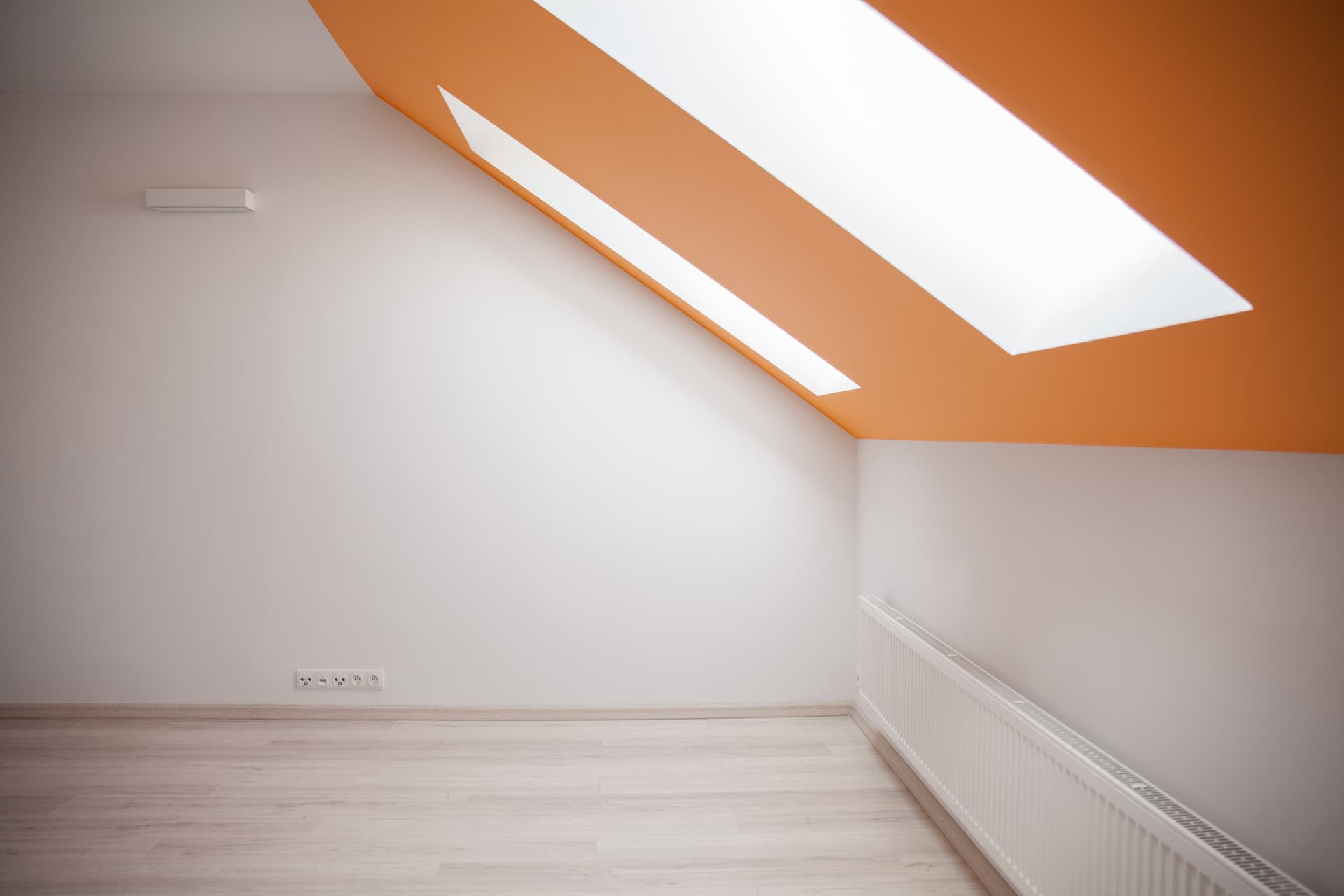
Many older homes use radiators designed around a boiler delivering hotter water for short periods. A heat pump generally works by supplying heat more steadily, so the existing radiators may not release enough warmth at the lower operating temperatures required by the new system.
This is why radiator size matters. A radiator that appears adequate with a boiler may leave a room underheated when connected to a heat pump. The issue can be especially noticeable in rooms with external walls, high ceilings, large windows or limited insulation.
We assess each room rather than judging the whole house from one radiator. Some radiators or underfloor heating systems may be suitable, while others may need replacement with larger or more appropriate units. Underfloor heating can work well with a heat pump, but an existing floor system still needs to be assessed for its construction, controls and heat output.
Changing emitters is not simply about making radiators bigger. Available wall space, furniture positions, pipework routes and the character of the room all affect what is practical. In a traditional property, the design also needs to respect features such as alcoves, panelling and exposed masonry.
Layout and hot water provision matter as much as heating
Older homes often have awkward service routes, limited cupboard space or a boiler positioned in a location that cannot accommodate the rest of a heat pump system. The cylinder, controls, pipework and electrical connections all need a sensible relationship with the existing layout.
A compact flat may have little room for equipment, while a larger townhouse may have several possible locations but longer pipe runs between floors. A stone cottage may offer space externally but require more care around holes for pipes, exposed pipework and the appearance of the installation.
Hot water demand also depends on how the property is occupied. The existing boiler position does not necessarily indicate the best location for a cylinder, and the current hot water arrangement may need to change. This is one reason a heat pump cannot be sized accurately from the number of bedrooms alone.
Electrical capacity and external space are property questions
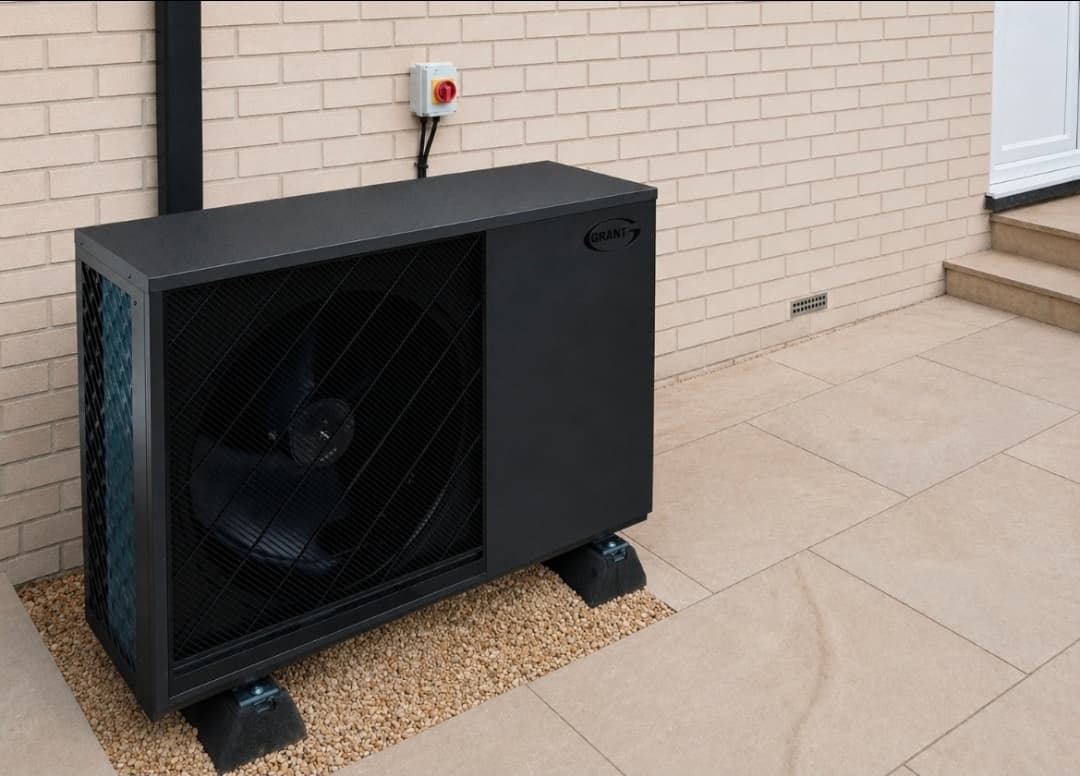
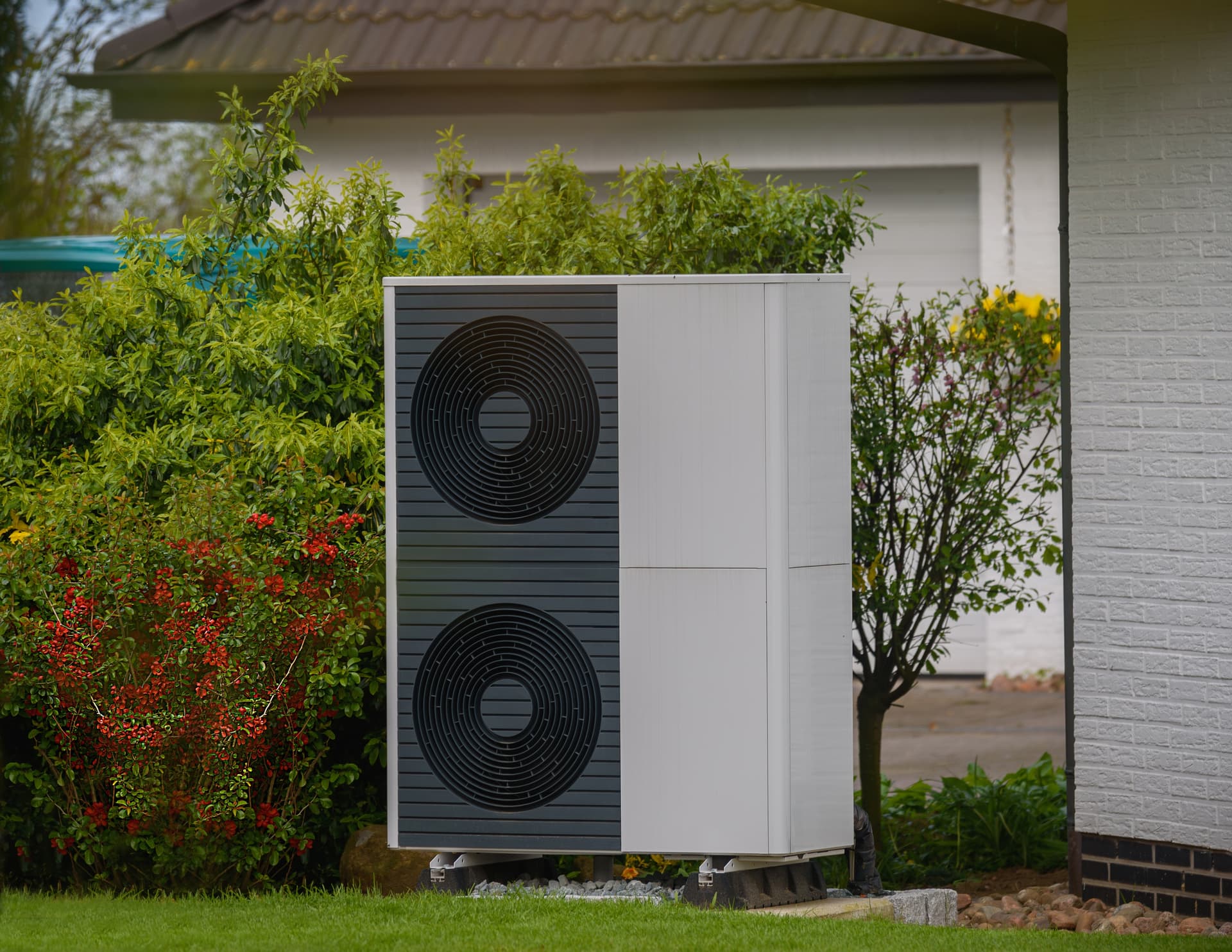
The outdoor unit needs a location with suitable airflow, service access and an appropriate relationship to windows, boundaries and neighbouring properties. In a dense Glasgow tenement setting, external space and permissions can be more constrained than at a detached home in Motherwell. A property in Edinburgh may also have architectural or planning considerations that affect the available options.
The electrical side needs the same level of attention. The existing supply, consumer unit (fuse box), cable routes and available installation space all form part of the assessment. If upgrades are required, they should be identified before work begins rather than discovered once the heating equipment is ready to connect.
What a suitable design looks like
A suitable design matches the heat pump to the building, emitters, hot water needs, electrical supply and available space. It avoids relying on assumptions such as “the existing radiators are fine” or “the oldest homes cannot use heat pumps”.
When we assess a property, we use its construction and layout to guide the design. Our MCS Certified, Gas Safe Registered and SELECT Accredited credentials support the relevant heating, gas and electrical elements where they apply. We also hold CHAS, TrustMark and RECC Approved status.
If you are considering a heat pump for an older home in Motherwell, Glasgow or Edinburgh, speak to Prostar Installations Ltd about a property-specific assessment. We can review the building and existing heating system, explain what may need to change and prepare a design based on the home you actually live in.
Other Articles